-
Strain and dopant-induced band-gap formation in metastable ZrO: resolving the experiment-simulation discrepancy
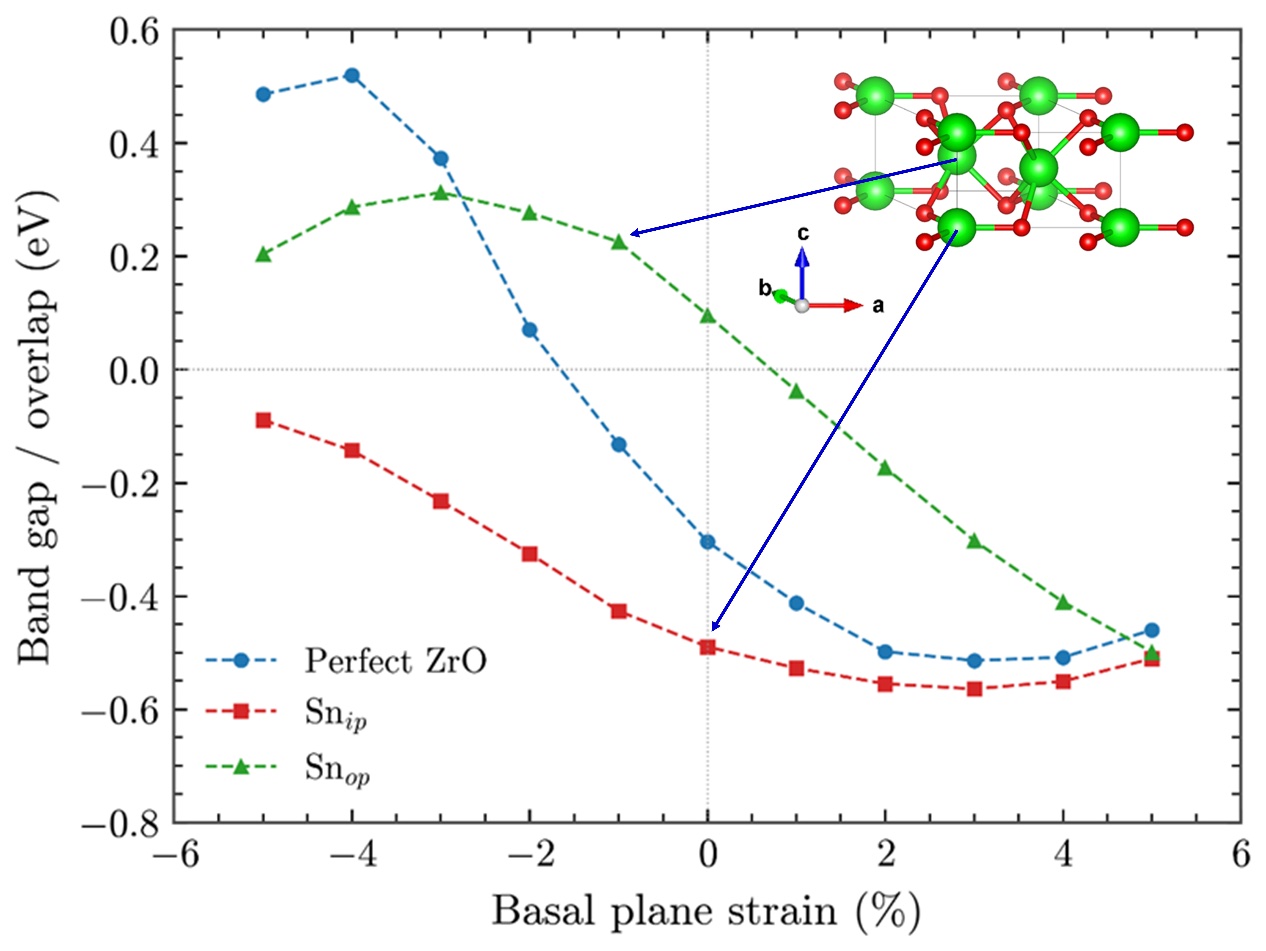
Junting Zhang, Susannah Lea, Johannes Lischner, Andrew Horsfield, Mark Wenman The uranium dioxide fuel in nuclear reactors is used in the form of stacks of ceramic fuel pellets. These pellets are sealed in zirconium alloy tubes to protect them and prevent fission product release. The zirconium can react with the surrounding water to form an…
-
ZIF-8 microcapsule with single-pore supporting Au nanoparticles inside for efficient cascade catalysis
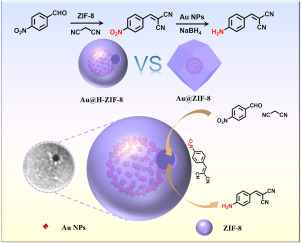
Researchers from QMUL, Hebei University of Technology and Huzhou University built a hollow nanocapsule, a porous shell with a single opening and gold nanoparticles fixed inside, that runs a two-step chemical reaction in one pot, converting a model molecule with 99% efficiency and negligible loss of activity after repeated use. The group of Dr Devis…
-
Conditional generative models enable targeted exploration of MAX phase design space
Researchers at UCL, AWE and collaborators have developed an artificial intelligence approach to accelerate the discovery of new MAX phases, a family of layered materials used in applications ranging from energy technologies to advanced coatings. MAX phases are also precursors to MXenes, an exciting class of two-dimensional materials with potential uses in energy storage, catalysis…